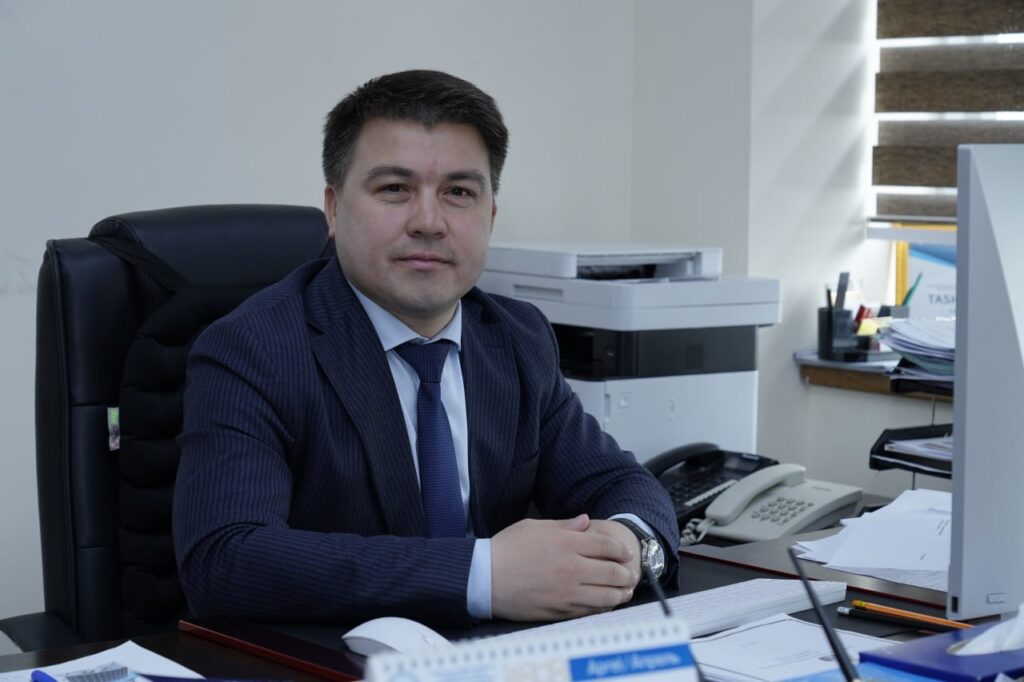
TELEVIZION PORTRETNING AUDIOVIZUAL TUZILISHI
This article examines the structure of the television portrait sketch, focusing on its communicative components and the roles played by verbal and visual elements. It analyzes the methods journalists use to reveal a subject's life story, motivations, personal qualities, and the social significance of their work, drawing on examples from programs such as “Unutilmas siymolar” and “Parvoz zavqi”. The article also explores the mechanisms for harmoniously combining words and imagery when creating a television portrait.
1. Quronov D. Adabiyotshunoslikka kirish. – T.: A. Qodiriy nomidagi xalq merosi nashriyoti, 2004. – B. 69.
2. Юровский А.Я. Телевизионная журналистика. Учебник/Под ред. А.Я. Юровского. – М.: Изд-во МГУ, 1994. – С. 183.
3. Susan Sontag. Regarding the Pain of Others. Picador, New York. 2003, p. 20.
4. Анохин А.И. Жанровые особенности телевизионного очерка. // Вестник Чувашского университета. Литературоведение. 2012. № 1. – С. 274.
5. O‘zbekiston Respublikasi Markaziy davlat arxivi. R-2562 fond, 3-ro‘yxat, 80-ish. – B. 28-29.
6. Искусство кино. – М., 1963. №2. – С.101.
7. Буало Никола. Поэтическое творчество. – М., 1957. – С. 78.
Copyright (c) 2026 «ACTA NUUz»

This work is licensed under a Creative Commons Attribution-NonCommercial-ShareAlike 4.0 International License.