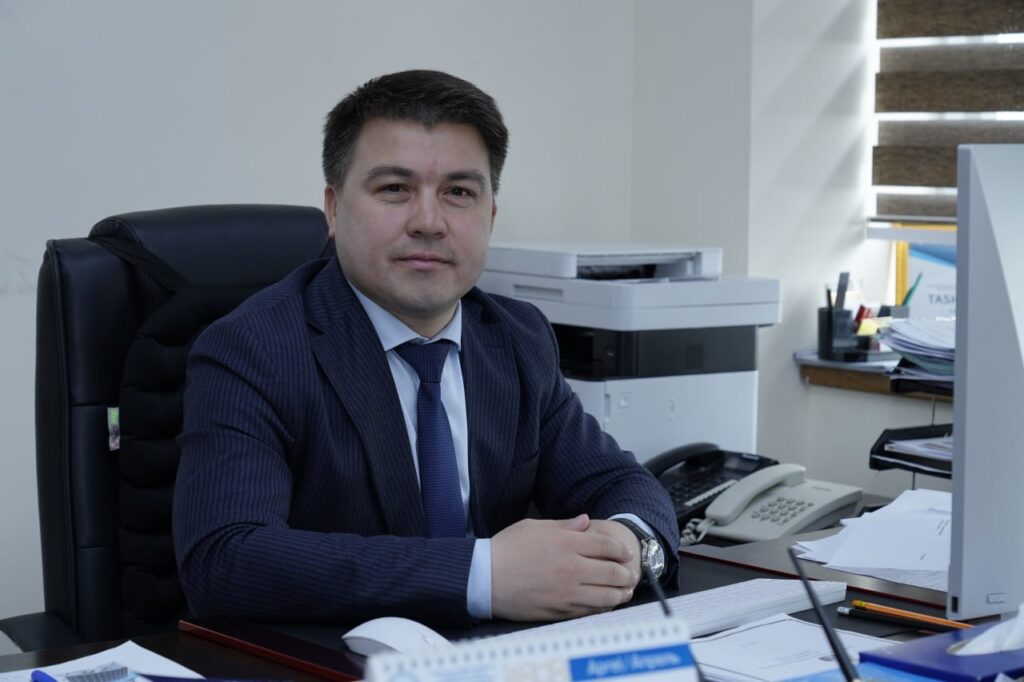
THE SOCIO-PHILOSOPHICAL SIGNIFICANCE OF THE HUMAN FACTOR IN THE MODERNIZATION PROCESS OF NEW UZBEKISTAN SOCIETY
This article analyzes the socio-philosophical significance of the human factor in the modernization process of New Uzbekistan’s society. The author reveals the philosophical content of the “human factor” concept, its relationship with the categories of “human capital” and “human potential,” and its place in modernization theory. The results can be applied in teaching social philosophy and socio-political science courses, as well as in ideological-educational practice.
1. Nussipova G., Keldinova A., Omarova G., Madalieva Zh. Formation of the Concept of Modernization in the History of Social
Philosophy // Adam alemi. – 2023. – №3(97). – P. 59–68.
2. Веряскина В.П. Методологические подходы к анализу персональной модернизации в процессе трансформации
современности // Знание. Понимание. Умение. – 2022. – №2. DOI: 10.17805/zpu.2022.2.6.
3. Dedolko J.V. Human Capital Concept Evolution in the Context of Scientific Knowledge Stages Dynamics // Гуманитарный
вектор. – 2021. – Vol. 16, №5. – P. 8–17.
4. Sodirjonov M. The importance of national and ethnosocial processes in the sociological research of human capital // Jamiyat
va innovatsiyalar. – 2021. – Special Issue 5. – B. 419–427.
5. Aliyev B. Yangi O‘zbekistonda fuqarolik jamiyatini rivojlantirishning ijtimoiy-falsafiy masalalari // Oriens.uz maxsus son.
– 2024. – №4(21). – B. 8–16.
6. G‘aybullayev O.M. Yangi O‘zbekistonda fuqarolik jamiyatini rivojlantirishning ijtimoiy-falsafiy masalalari // Oriens.uz. –
2022. – №2(23), maxsus son. – B. 396–403.
7. Ramatov J.S. Ijtimoiy davlat va O‘zbekistonning ta’lim tizimi // Oriens.uz maxsus son. – 2024. – №4(21). – B. 236–241.
8. Orazbayev A.K. Ijtimoiy konstruktivizm paradigmasi kontekstida Yangi O‘zbekistonni tadqiq etish // Oriens.uz maxsus son.
– 2024. – B. 354–362.
9. Mustafayev U.U., Jo‘rayev A.N. Yangi O‘zbekiston: qadriyatlarni himoyalash – falsafiy fanlarning dolzarb masalasi //
Oriental Renaissance: Innovative, educational, natural and social sciences. – 2022. – Vol. 2, Issue 7. – B. 124–133.
10. Sobirov X. BMTning barqaror rivojlanish maqsadlarini O‘zbekistonda amalga oshirishning ijtimoiy-falsafiy mexanizmlari //
Oriens.uz. – 2026. – №6(1). – B. 62–68.
11. To‘g‘ayev Sh.X. Ta’lim tizimida ijtimoiy-gumanitar fanlarni o‘qitish zarurati va ahamiyati // Oriens.uz maxsus son. – 2022.
– Vol. 2, Special Issue 23. – B. 96–104.
12. Ruхiyeva X.R. Yangi O‘zbekiston taraqqiyotida falsafiy va ijtimoiy-gumanitar fanlarning o‘rni // Oriens.uz konferensiya
materiallari. – 2023. – B. 202–210.
13. Muhamedov A. “Qutadg‘u bilig” asarida ijtimoiy borliq masalalari // Oriens.uz. – 2024. – Vol. 4, Issue 7.
14. Human factor and ergonomic provisions in supranational strategic planning // Riga Stradiņš University Scientific
Publications. – 2023.
15. Клинова М., Сидорова Е. Человеческий капитал в Европейском союзе: государственный и наднациональный
контексты // Институт мировой экономики и международных отношений им. Е.М. Примакова РАН. – 2024.
16. Shcherbakov A., Teslenko I. Interrelation of Categories: Human Resources, Human Capital, and Human Potential // Вестник
ЮУрГУ. – 2023.
17. Radtchenko-Draillard S. Actual and Potential Prospects for the Application of the Negotiation in Companies in the Age of
Digitalization. – HAL Post-Print hal-03665539, 2022.
18. Nennstiel R., Becker R. Longitudinal analysis of occupational prestige in Switzerland, 1946–2023: navigating economic
modernization and changing labor market conditions // Frontiers in Sociology. – 2025. – Vol. 10, Art. 1570326.
19. Genealogies of Human Capital (GenHumCap): Marie Skłodowska-Curie Actions research project // CORDIS, European
Commission. – 2023–2025.
20. Hakimov N.H. Milliy taraqqiyot strategiyasi dasturi va ijtimoiy yuksalish // Iqtisodiyot va ta’lim. – 2022. – №3. – B. 240–
246.
Copyright (c) 2026 «ACTA NUUz»

This work is licensed under a Creative Commons Attribution-NonCommercial-ShareAlike 4.0 International License.